
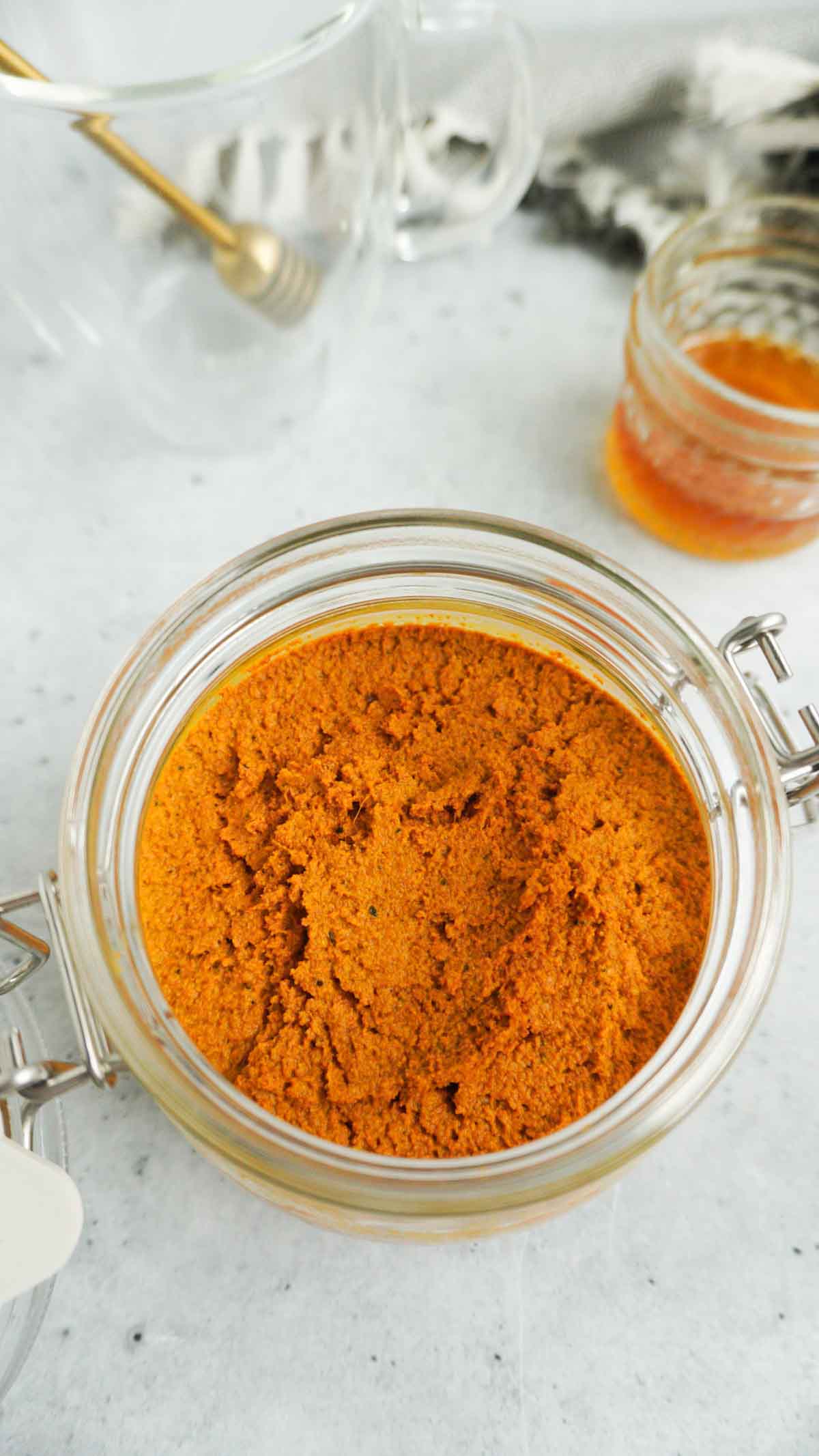
Learn how to make turmeric paste (golden paste) to take advantage of turmeric’s immune-boosting properties. You can use it in so many ways! You can add it to hot water in place of a frozen immunity cube to make turmeric tea, swap out the powdered turmeric for this golden paste to make Haldi Doodh, and even substitute it for turmeric in my Coconut Shrimp Curry. Plus, it takes just 15 minutes to make!
WANT TO SAVE THIS RECIPE?
And if those aren’t enough reasons, you’ll definitely want to make this paste for turmeric‘s anti-inflammatory benefits. Studies show that it helps alleviate pain associated with autoimmune conditions such as multiple sclerosis, rheumatoid arthritis, psoriasis, and inflammatory bowel disease.
Honestly, this turmeric paste recipe is one you never thought you needed. I sure didn’t! Why create this recipe, then, you may ask? Well, after my Lemon Ginger Syrup recipe went viral on social media, many asked for a recipe without honey, and so, my Immunity Bombs recipe and this one were born. And Instagram loved them so much that I’ve since created a whole series of turmeric-based recipes.
Recipe Overview: How to Make Turmeric Paste
⏱ Ready in: 15 minutes
👨👩👦 Servings: 84 teaspoons
🍽 Calories: 8 kcal
📝 Main ingredients: Turmeric, ginger and coconut oil.
SUMMARIZE & SAVE THIS CONTENT ON
“This is such a great meal prep-friendly recipe! I use it for everything from turmeric tea to seasoning daals and curries😊”– Zeeshan
Ingredient Notes
Full ingredient measurements and instructions are in the recipe card below.

Turmeric: Fresh or ground, both work.
Ginger: I like to use raw ginger and would recommend you do the same. Raw ginger is more widely available than raw turmeric, so try to get the raw variety.
Black pepper: Use freshly ground pepper if possible, as it retains its oils and compounds.
Cinnamon: Pre-ground is better here.
Coconut Oil: Helps bring the paste together and, like the pepper, supports curcumin absorption.
Water: Helps blend the ingredients.
How to Make Turmeric Paste: Step-by-Step Instructions
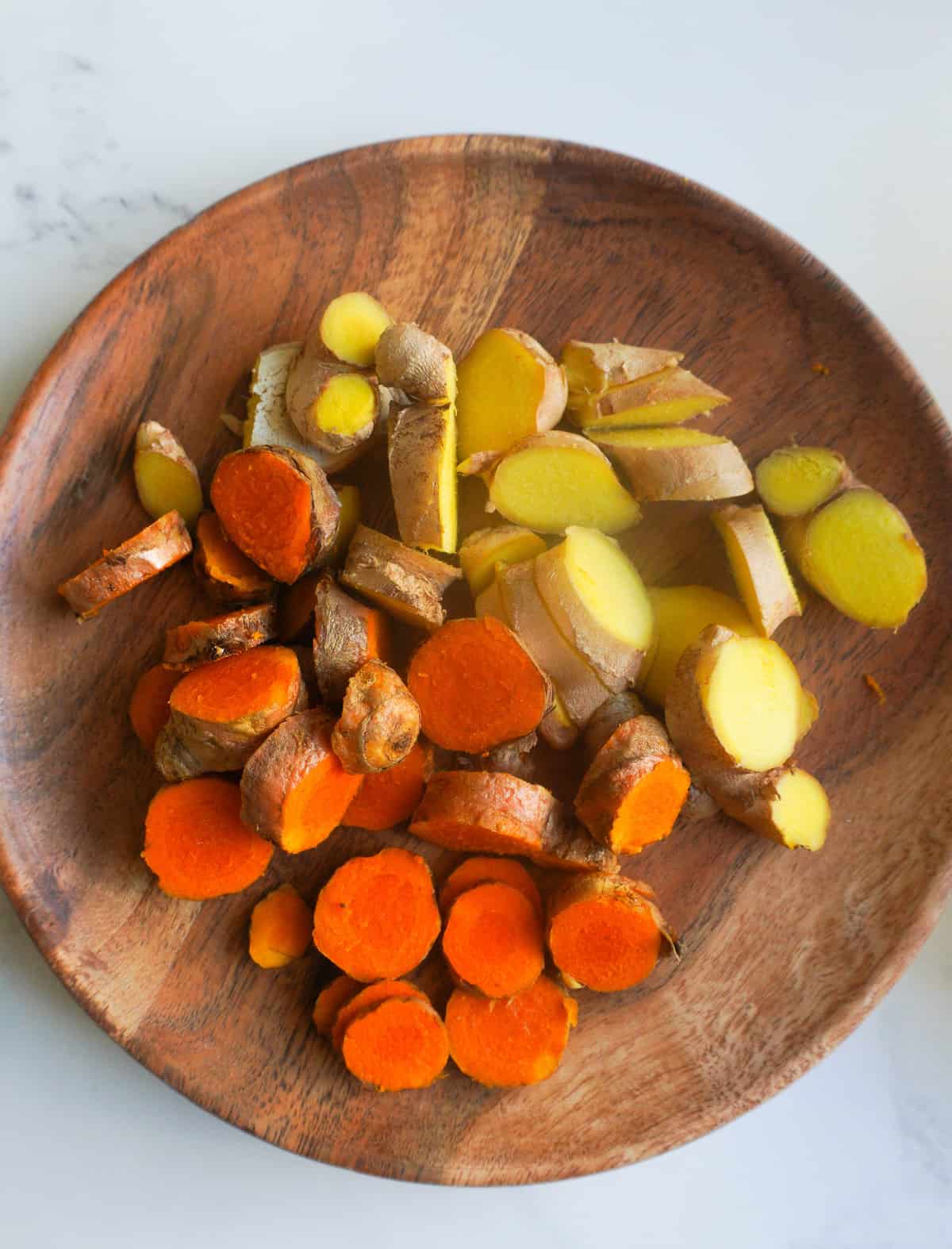
- Step 1: Chop the roots into coins: Organic variety is best to maximize the medicinal effects of both turmeric and ginger. You can peel the roots or leave the skin on. I usually do the latter when using organic roots, as it saves time and prevents stains on my hands. Leaving the skins on may result in some tiny specs in your tea or milk, but nothing straining won’t fix 😊
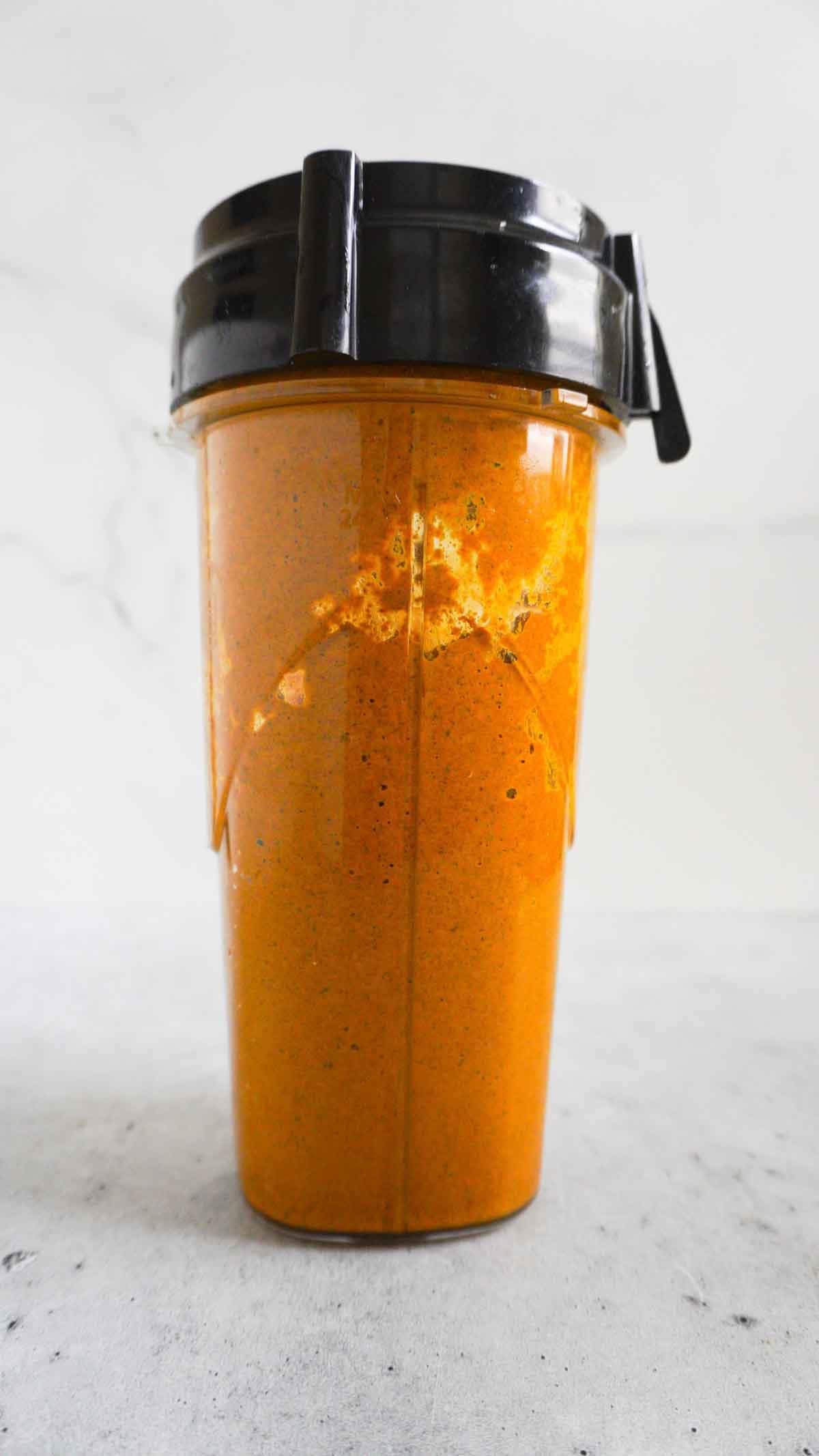
- Step 2: Blend: Add all the ingredients to a high-speed blender and blitz till fully blended and smooth.

- Step 3: Cook: Pour the mixture into a small saucepan and simmer until the water evaporates, forming a paste. Do not boil the mixture, as this will compromise the curcumin’s efficacy. Cooking this paste is essential for facilitating curcumin extraction.
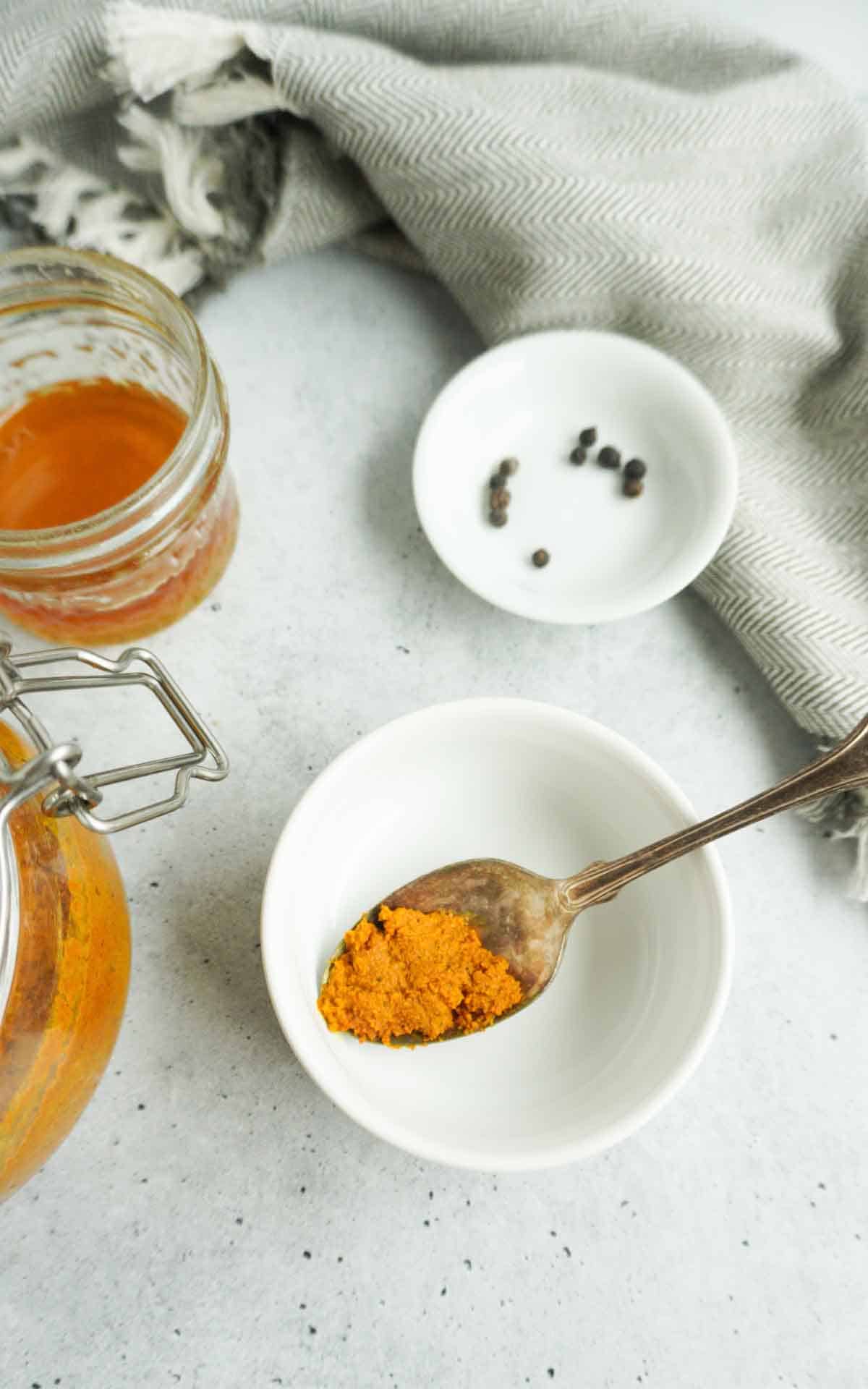
- Step 4: Cool. Let the paste cool completely before storing it in an airtight glass jar or container. Use as needed.
Pro Tip
- Turmeric stains almost everything it comes in contact with, including clothes and skin, so make sure to wash and wipe equipment and surfaces immediately after use. If your blender does stain, make a solution of 2 parts hot water to 1 part white vinegar, then soak the jug before washing it. If that fails, leaving it in the sun for a day or two has helped some.
Turmeric Paste FAQs
Fresh turmeric is more nutrient-dense than its dried powdered form, but it may not be widely available. I usually find it in the produce section of my grocery store. You can also find it at many Asian stores. Fresh, organic turmeric is also pretty expensive. In that case, using organic ground turmeric would be the next best option.
If you are pregnant or taking blood pressure medication, check with your doctor before including this in your regimen. Read more about drug interaction here.
Turmeric, or Curcuma longa, is a plant in the Zingiberaceae (ginger) family and is an integral part of South Asian cuisine. A significant component of Ayurvedic and Chinese medicine, turmeric contains a compound called Curcumin, which has been studied for its anti-inflammatory, antibacterial, and antifungal properties.
Unfortunately, humans can’t absorb curcumin without some help, aka black pepper. This is due to piperine, the compound found in black pepper. Research shows the absorption of curcumin increases by 2000% with the addition of black pepper!
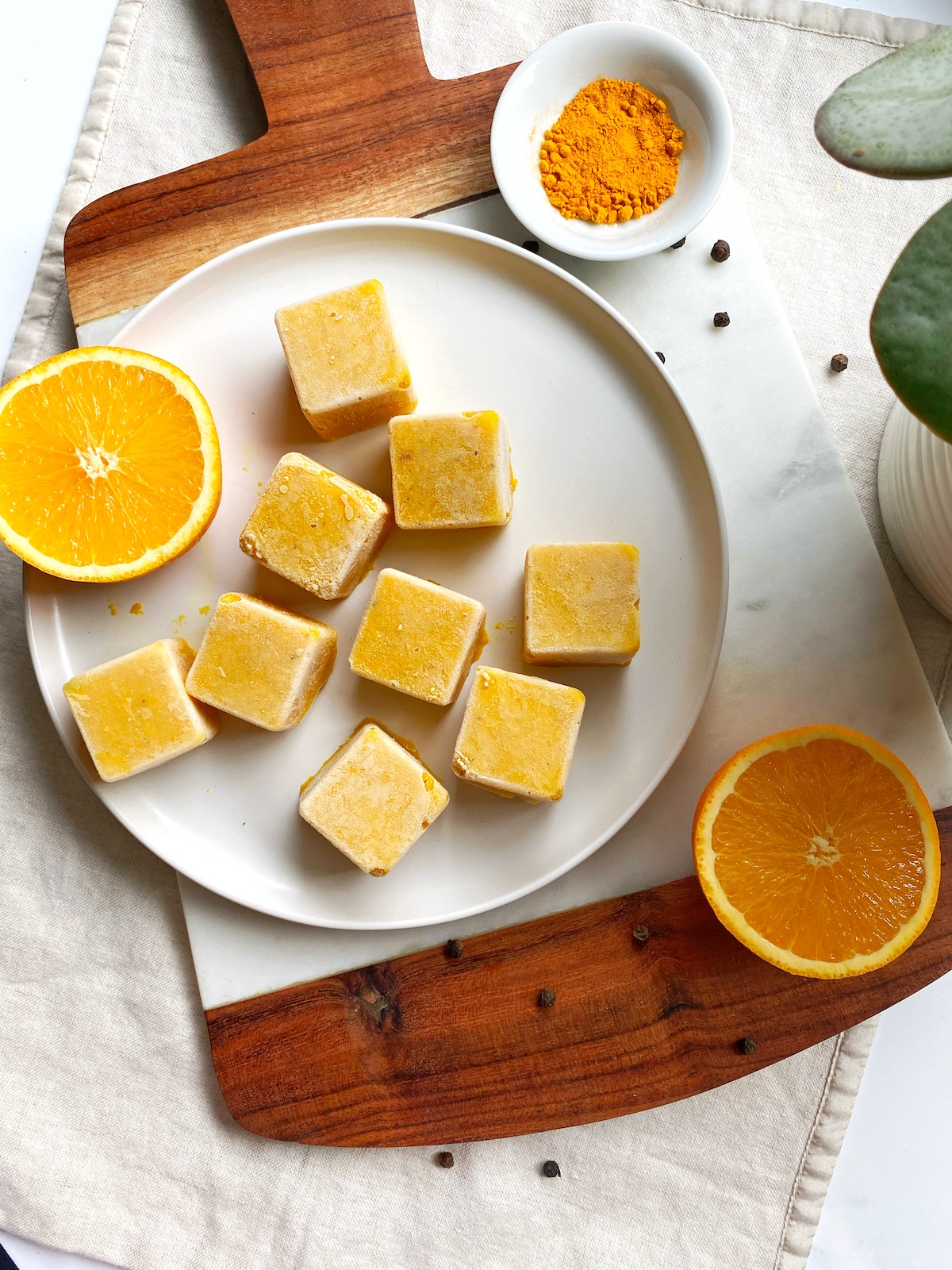
Store it in the fridge in an airtight container for up to two weeks. You can freeze it in an ice cube tray, like my Immunity Bombs recipe, and then store the cubes in a zip-top bag. These will keep for up to six months.
How to Use Turmeric Paste
There are so many ways to use this turmeric paste:
Soups, curries, and stews: Add a teaspoon to your favorite dishes to impart flavor and warmth.
Turmeric’s medicinal properties lose their potency in high heat so to get the most nutritional value from this golden turmeric paste use this turmeric paste in recipes that do not require high heat cooking.
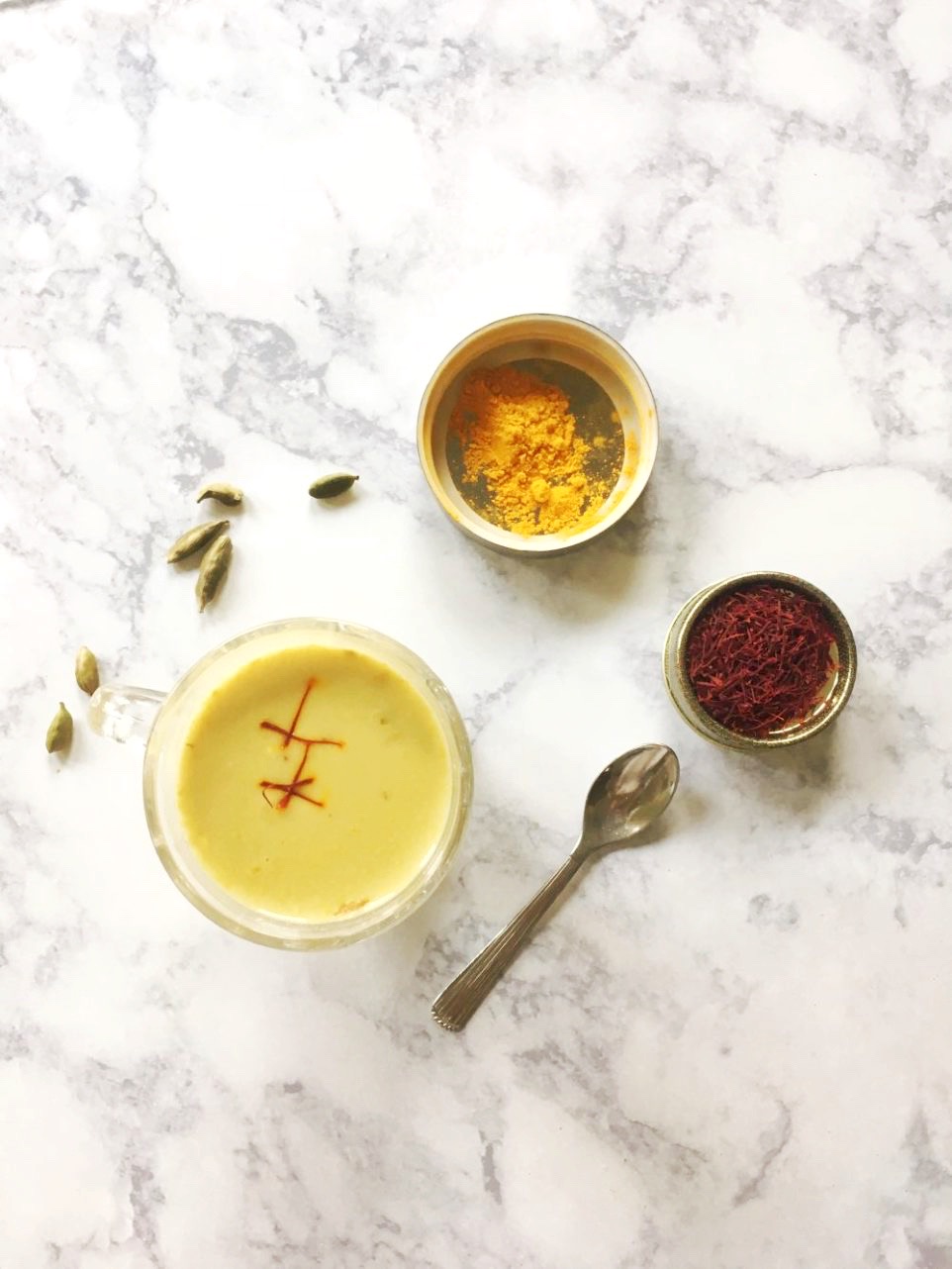
Consider it a turmeric latte mix: Add a teaspoon to a cup of warm milk and sweeten it with honey or jaggery, or to keep it low carb, monk fruit, to make golden milk, aka Haldi Doodh.
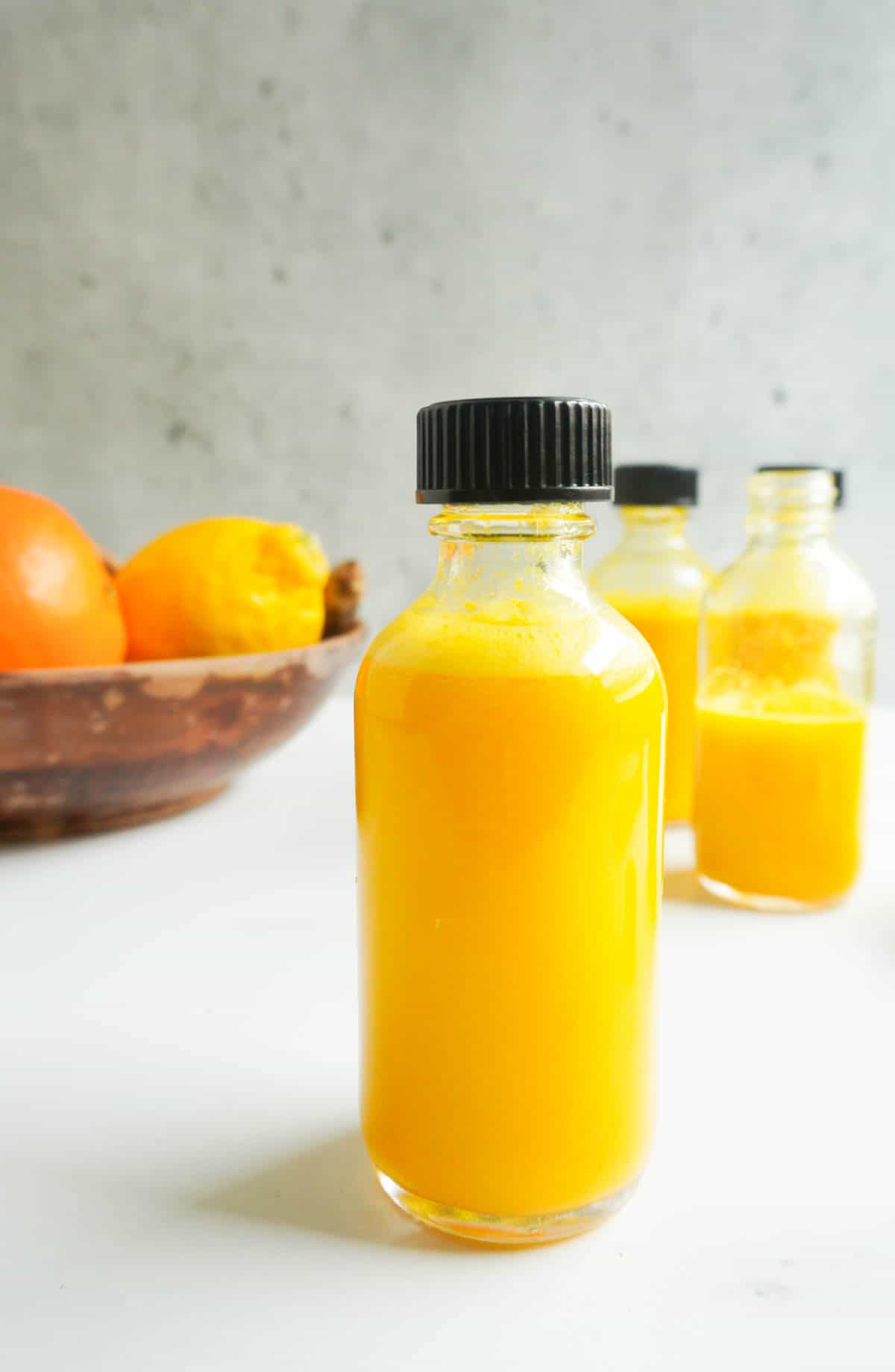
Immunity shots and turmeric tea: Add a teaspoon to a 2-ounce shot of orange juice for a homemade immunity shot or to a cup of hot water for a quick anti-inflammatory tea.
Give smoothies and dips a nutritional boost.
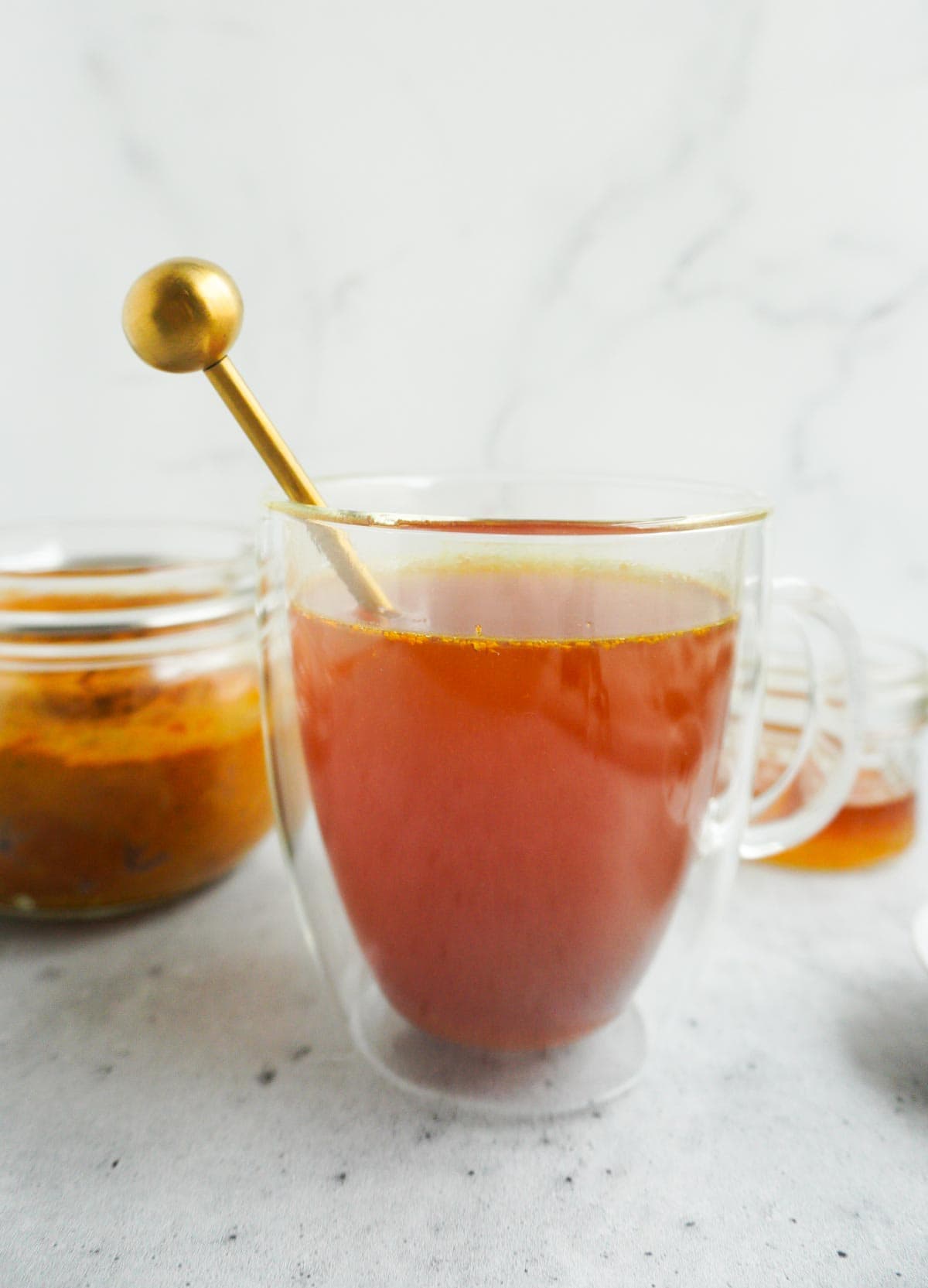
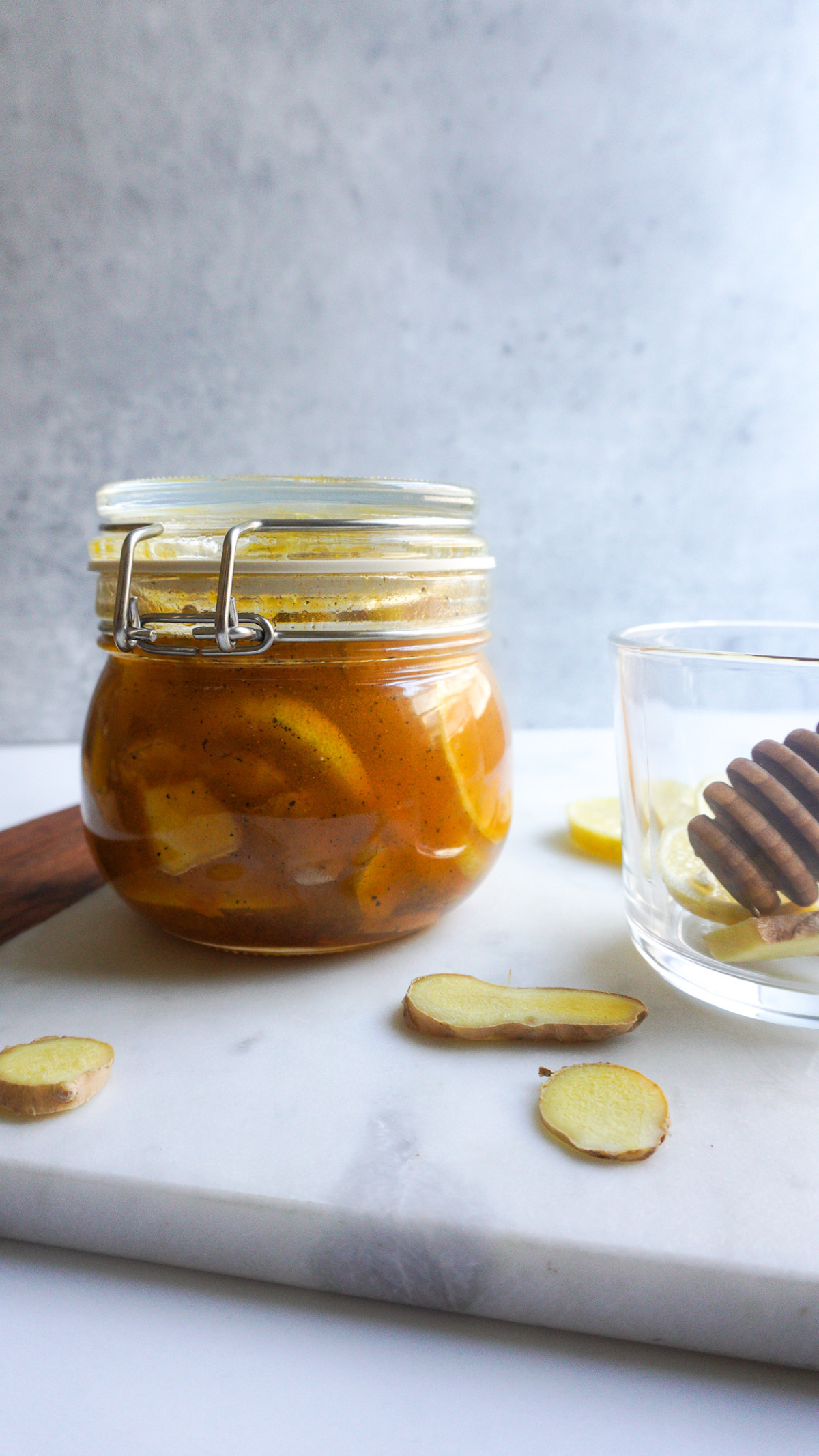
More turmeric-based recipes to try:
If you tried this turmeric paste recipe or any other recipe on my blog, please leave a 🌟 star rating and let me know how it goes in the 📝 comments. I love hearing from you! You can also follow me on Pinterest or subscribe to our newsletter to get more deliciousness straight to your inbox!

Turmeric Paste (Golden Paste)
Ingredients
- 6 ounces turmeric root check recipe note
- 3 inch ginger root
- 3 tablespoons coconut oil
- 1 teaspoon black pepper
- 1 teaspoon cinnamon optional
- 1/2 cup water
Instructions
- Chop the ginger root into coins and add them along with the rest of the ingredients to a high-speed blender. Blend till fully incorporated.
- Pour the mixture into a small saucepan and, on low heat, let the moisture evaporate. Once a paste is formed, turn off the heat, let it cool completely, and then store it in an airtight glass container in the fridge.
- When ready to use, add a teaspoon to warm milk or water.
Notes
- Raw turmeric root is usually sold in containers here in the US. I used the whole 6-ounce box for this recipe. If you can’t find the raw root, substitute it with 1/2 cup of turmeric powder.
- A small blender or blender bottle attachment is more effective for blending the ingredients for this recipe.
- Turmeric stains almost everything it comes in contact with, including clothes and skin, so make sure to wash and wipe equipment and surfaces immediately after use. If your blender does stain, make a solution of 2 parts hot water to 1 part white vinegar, and soak the jug before washing it. If that fails, leaving it in the sun for a day or two has helped in some cases.
-
Shah Zeeshan says
This is such a great meal prep-friendly recipe! I use it for everything from turmeric tea to seasoning daals and curries😊